
The Complete Home Remodeling Project Planning Guide: Budget, Timeline, and Permits
July 6, 2026When you’re diving into a home remodeling project, getting a grip on your budget, timeline, and permits is essential for a smooth process. Start with remodeling budget planning; outline your costs for materials, labor, and a contingency fund for unexpected expenses. Next, draft a home renovation timeline that maps out each phase, ensuring you account for delays and inspections. Don’t forget to secure any necessary permits early on, as they can halt progress if not obtained on time. By organizing these elements in advance, you can minimize potential issues, avoid budget overruns, and keep your project on track. Effective home remodeling project planning prepares you for a successful renovation experience, leading to better outcomes and satisfaction with your newly transformed space.
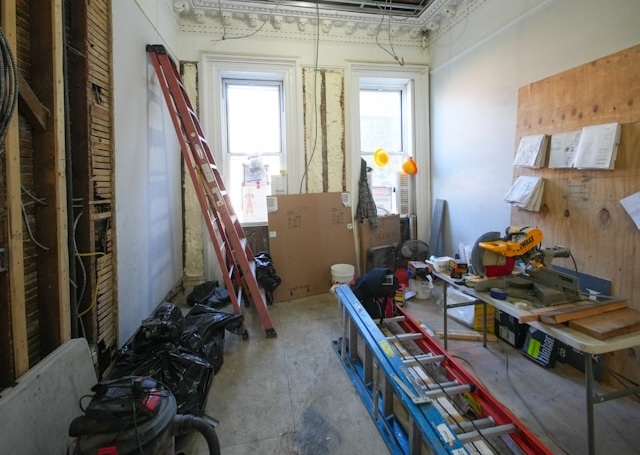
What Home Remodeling Project Planning Involves and Why It Matters
Effective home remodeling project planning involves several essential steps that can greatly influence the success of your renovation. First, you need to establish clear goals and a detailed scope of work to guide your project. Next, accurate remodeling cost estimation is vital; this helps you budget for labor and materials while factoring in a contingency fund for unexpected expenses. Also, developing a realistic timeline streamlines construction project planning, allowing you to coordinate tasks effectively. Don’t forget to secure necessary permits and guarantee compliance with local regulations. By investing time in thorough planning, you reduce the risk of budget overruns, scheduling conflicts, and permit-related delays, ultimately leading to a smoother renovation experience and higher-quality outcomes.
Defining remodeling goals, priorities, and project success criteria
Establishing remodeling goals, priorities, and project success criteria sets the stage for a successful renovation. Start by defining what you want to achieve—whether it’s enhancing functionality, improving aesthetics, or increasing resale value. Identify your top priorities, which will guide your decision-making process throughout the project. UtilizeRemodeling Consultation Services to refine these goals, guaranteeing they align with your budget and timeline. Once your objectives are clear, establish measurable success criteria, like completion dates or budget limits. Collaborate closely with your general contractor to guarantee that your goals are realized and effectively communicated. Good Home Remodeling Project Management balances your aspirations with practical constraints, fostering a smoother renovation experience.
Creating a Detailed Project Scope Before Any Work Begins
Creating a detailed project scope is essential to ensuring that your home remodeling efforts remain focused and efficient, as it clearly outlines the specific work to be done, the materials required, and the desired timelines. This detailed plan allows you to manage contractors effectively, making it easier to communicate expectations and deadlines. Be sure to include essential elements like construction scheduling and milestones, as this helps keep the project on track. Additionally, outline which building permits are necessary to prevent any compliance issues down the line. A thorough project scope not only guides your renovation but also acts as a reference throughout the process, helping you stay organized and aligned with your remodeling goals.
How scope decisions directly affect budget, quality, and timeline
When you make scope decisions for your home remodeling project, you’re not just outlining what work needs to be done; you’re directly influencing the budget, quality, and timeline of the entire renovation. Clear scope definitions can help you manage costs effectively, as they prevent unexpected expenses that arise from changes or unclear expectations. High-quality materials could elevate your project, but they often come with a higher cost, impacting your overall budget. In addition, a well-defined scope speeds up the timeline since contractors know exactly what to prioritize. Effective home improvement project management hinges on these scope decisions, ensuring that you’re not only staying within budget but also achieving the quality and timeline you desire. Make those choices wisely!
Building a Realistic Home Remodeling Budget
As you commence your home remodeling journey, building a realistic budget is critical to confirm your project doesn’t spiral beyond your financial means. Start by determining your overall budget range based on your financial situation and the scope of work you wish to undertake. It’s crucial to itemize all expected expenses, including materials, permits, and any necessary labor. Don’t forget to factor in a contingency fund—typically 10-20% of your budget—for unexpected costs that may arise during the process. Research local pricing for materials and services to verify your estimates are accurate. Finally, consider discussing your budget with contractors early to avoid misalignment, enabling a smoother remodeling experience that stays financially on track.
Cost estimation, labor costs, material expenses, financing options, and contingency funds
Accurate cost estimation is essential to a successful home remodeling project. Start by researching labor costs in your area, as these can vary considerably based on skill level and demand. Next, gather quotes for materials, ensuring you consider quality and longevity. Include expenses for fixtures, appliances, and unexpected needs. Explore financing options like personal loans, home equity lines, or even zero-interest credit offers, which can help manage upfront costs. It’s wise to allocate about 10-15% of your total budget for contingency funds, covering unforeseen issues that could arise during the renovation. Tracking these expenses meticulously will keep your project on budget and help you avoid financial stress later on.
How Much Contingency Should You Include in a Remodeling Budget?
How much should you actually set aside for a contingency fund in your remodeling budget? You’ll want to aim for around 10-20% of your total project costs. This guarantees you’re prepared for unforeseen expenses that can arise during renovations, like hidden structural issues or design changes. If your project costs are estimated at $50,000, consider allocating $5,000 to $10,000 for contingencies. It’s vital to only use this fund for unexpected costs, helping you maintain control over your budget. By planning ahead, you’ll avoid financial strain and potential project delays. Keep in mind that a well-prepared contingency fund can actually enhance your remodeling experience, letting you focus on achieving your dream space rather than worrying about unexpected surprises.
Why 15–20% reserves help manage unexpected costs and change orders
Establishing a reserve of 15–20% in your remodeling budget is a smart strategy for managing the inherent uncertainties of renovation projects. With any home improvement, unexpected costs can arise, like hidden mold or outdated electrical systems that don’t meet code. By setting aside this percentage, you can absorb these surprises without derailing your entire plan. It also covers potential change orders—like design modifications or material upgrades—that can happen as you go along. This reserve allows you to make informed decisions on unforeseen expenses without financial strain. Overall, having a contingency fund empowers you to adapt swiftly while keeping your project on track, ensuring a smoother remodeling experience.
Creating a Remodeling Timeline That Works
A well-structured remodeling timeline is essential for keeping your project on track and within budget. Begin by setting a clear start date and determining how long each phase will realistically take. Break the project down into manageable steps, like design, demolition, and construction. Make certain to plan for downtime—some tasks depend on others, and delays can snowball. Communicate regularly with your contractors to align schedules and address any potential conflicts. Factor in time for inspections and permit approvals, as these can take longer than expected. Finally, be flexible; unexpected issues may arise, and you may need to adjust your timeline. A well-considered, adaptable approach ensures a smoother remodeling experience and helps minimize stress.
Project milestones, critical path planning, scheduling, and material lead times
After you’ve laid out a solid remodeling timeline, focusing on project milestones and critical path planning is next. Identify key milestones—like permitting, rough-ins, and final inspections—to track progress. Critical path planning helps you determine which tasks must be completed before others can begin, ensuring efficient use of time and resources. Schedule each task, assigning realistic durations and deadlines to avoid bottlenecks. Don’t forget to take into account material lead times; research suppliers and order early to prevent delays in construction. Keep in touch with contractors to adjust schedules as necessary. By staying organized and proactive, you’ll streamline your project, minimizing stress and enhancing the likelihood of a timely and successful renovation.
Common Causes of Remodeling Delays and How to Prevent Them
Numerous factors can lead to delays in remodeling projects, often causing frustration and added expenses. One common issue is lack of preparation; if you don’t have a detailed plan, you may encounter unexpected challenges. To prevent this, establish a thorough scope of work and budget, considering all materials and labor. Late decisions about design or changes can also stall progress, so make your choices early. Additionally, miscommunication with contractors can lead to misunderstandings and delays. Keep open lines of communication and have regular check-ins to guarantee everyone’s on the same page. Finally, securing necessary permits ahead of time is essential; don’t underestimate the approval process. By proactively managing these factors, you’ll create a smoother and more efficient remodeling experience.
Weather delays, labor shortages, permit issues, and scheduling conflicts
While you may have meticulously planned your remodeling project, unforeseen factors like weather delays, labor shortages, permit issues, and scheduling conflicts can still disrupt your timeline. Weather conditions, such as rain or snow, can halt work unexpectedly. Labor shortages can occur when contractors face staffing challenges, causing project delays. Additionally, permit issues might arise if all necessary documentation isn’t in order, leading to costly hold-ups. Scheduling conflicts can complicate timelines if contractors aren’t available when needed. To mitigate these issues, build a buffer into your timeline and maintain open communication with your contractors. Ascertain you have a backup plan for labor and always check your permits in advance to minimize disruptions and keep your project on track.
Understanding Building Permits and Permit Requirements
Have you ever wondered why building permits are essential for your remodeling project? They guarantee your work complies with local safety, zoning, and construction regulations. Obtaining the right permits can prevent costly fines and delays down the line. Before starting, check with your local building department to determine which permits you need. Common permits include those for structural changes, electrical work, and plumbing adjustments. You’ll usually need to submit plans and pay fees, so budget accordingly. Remember, skipping the permit process might lead to problems if you decide to sell your home later. Staying informed about permit requirements not only protects your investment but also assures that your project meets safety standards and local building codes.
Building, electrical, plumbing, HVAC permits, and local code compliance
Understanding the various permits required for your home remodeling project is essential, as they confirm your renovations comply with local building codes and safety regulations. You’ll likely need building permits for structural changes, electrical permits for wiring work, plumbing permits for any significant plumbing modifications, and HVAC permits if you’re altering your heating, ventilation, or air conditioning systems. Each project can vary, so check with your local building department to clarify specific requirements. Failing to obtain necessary permits can lead to fines or make your renovations uninsurable. Additionally, local code compliance verifies your project meets safety standards. Keep a checklist of required permits and deadlines to stay organized and avoid complications during your renovation.
Can You Remodel Without a Permit?
When considering a home remodeling project, you might wonder if it’s possible to skip the permit process altogether. Generally, minor cosmetic changes like painting or installing flooring don’t require permits. However, any structural alterations, electrical upgrades, or plumbing modifications usually do. It’s essential to check your local building codes, as regulations vary by location. Not obtaining the necessary permits can lead to complications down the line, including problems with insurance claims and property value issues. Plus, you might find it challenging to sell your home in the future if the work wasn’t done legally. So, it’s often best to consult with local officials or a contractor to guarantee compliance before you start your remodeling project.
Risks, penalties, inspection issues, and future resale complications
Skipping the permit process can lead to significant risks and consequences that could affect your home and finances. Without proper permits, you might face hefty fines or even be required to undo completed work, which can further inflate costs. Inspections may reveal violations that can halt your project or delay your timeline, forcing you to fix issues before moving forward. Additionally, future buyers could be hesitant to purchase a home with unpermitted work, complicating resale efforts. They may request extensive inspections or negotiate lower offers due to potential code violations. Ultimately, investing time in the proper permits guarantees compliance and protects your financial interests, helping you avoid pitfalls now and down the road. Don’t underestimate the importance of adhering to legal requirements.
Hiring the Right General Contractor and Managing Subcontractors
Choosing the right general contractor is vital for the success of your remodeling project. Start by researching potential candidates thoroughly; read reviews, check references, and look at their past work. Schedule interviews to assess their communication style and responsiveness; a compatible personality can make the process smoother. Once you hire a contractor, managing subcontractors becomes important. Make certain your contractor has a reliable network of skilled subcontractors. Regularly communicate with both parties to maintain alignment on project timelines and quality standards. Create a clear chain of command to avoid misunderstandings. Finally, set up periodic check-ins to address any issues promptly. This proactive approach can help you stay on track and guarantee your project meets your vision and budget.
Comparing contractor bids, licenses, insurance, warranties, and contracts
After hiring a general contractor, the focus shifts to evaluating contractor bids, licenses, insurance, warranties, and contracts to ascertain you’re making an informed decision. Start by comparing bids; confirm they cover the same scope of work to make an apples-to-apples comparison. Check licenses to validate they’re valid in your state, as this is essential for legality and professionalism. Verify insurance coverage; contractors should have liability insurance and workers’ compensation to protect you from potential liabilities. Review warranties to understand what they cover and for how long, confirming you have recourse if issues arise. Finally, carefully read contracts, verifying all terms are clear and aligned with your expectations. A thorough comparison will help you select the best contractor for your project.
How to Evaluate Contractor Proposals and Scope of Work Documents
How can you guarantee that contractor proposals align with your project goals? Start by examining the scope of work in each proposal. Make sure it clearly outlines the tasks, materials, and timelines involved. Look for any specifics regarding labor and project phases; vague descriptions often indicate potential issues. Next, compare the details against your own project goals—do they meet your needs? Evaluate pricing thoroughly, ensuring it includes all aspects of the work. Don’t hesitate to ask clarifying questions if something isn’t clear; a good contractor will provide straightforward answers. Finally, check for any indications of subcontractors included in the proposal, as their quality can impact the final outcome. Being diligent now will save you headaches later.
Identifying hidden costs, exclusions, and project expectations
Many homeowners underestimate the importance of identifying hidden costs, exclusions, and project expectations during a remodeling project. To avoid surprises, carefully review the contract and ask your contractor to clarify what’s included and what’s not. Hidden costs can arise from unforeseen issues like structural problems or outdated plumbing, so it’s wise to set aside a contingency fund—typically around 10-20% of your budget. Additionally, manage your expectations by understanding that delays can happen, and not all projects progress as smoothly as planned. Communicate openly with your contractor and stay informed about the timeline and scope adjustments. By being proactive in identifying these factors, you can guarantee a smoother remodeling experience and better align your expectations with the project’s reality.
Managing Change Orders Without Losing Budget Control
Change orders are a common aspect of remodeling projects, and managing them effectively is essential to maintaining budget control. First, prioritize clear communication with your contractor about any potential changes. Confirm you’ve established a process for submitting and reviewing change orders upfront. This helps everyone stay on the same page and prevents surprises. Next, always evaluate the cost implications before approving a change; ask for detailed estimates to understand the financial impact. Additionally, keep a contingency fund specifically for change orders, so you’re not derailing your overall budget. Finally, document each change order thoroughly, including reasons for adjustments, to maintain clarity and accountability. By following these steps, you can manage change orders efficiently without compromising your budget.
Documentation practices, approvals, and cost management strategies
Effective management of documentation and approvals is essential for keeping your remodeling project on track and within budget. Start by organizing all your documentation, including contracts, permits, and invoices, in a dedicated folder—digital or physical. Make certain to obtain necessary approvals from the relevant authorities before commencing work. This can help avoid costly delays later. Establish clear cost management strategies by monitoring expenses against your budget regularly. Consider using budgeting software to track spending in real-time and guarantee you’re adhering to limits. Don’t forget to keep a contingency fund for unexpected costs. Finally, maintain open communication with all parties involved, as this can facilitate quicker approvals and enhance overall project coordination.
Scheduling Inspections and Maintaining Regulatory Compliance
While guiding your home remodeling project, it’s essential to keep inspections on your radar to guarantee compliance with local regulations. Schedule inspections at key project milestones, like framing, plumbing, and electrical work. Contact your local building department to know specific requirements and timelines for inspections in your area. It’s vital to coordinate these appointments with your contractors to avoid delays. Also, always keep an organized record of inspection dates and outcomes to address any issues promptly. By maintaining clear communication with your inspector and contractors, you’ll stay informed about compliance standards and necessary adjustments. Ensuring these aspects are tackled will facilitate a smoother project flow and help you avoid potential fines or delays in your remodeling timeline.
Permit inspections, building codes, zoning regulations, and occupancy requirements
After scheduling your inspections and verifying compliance with local regulations, you’ll need to navigate the various permit inspections, building codes, zoning regulations, and occupancy requirements that govern your remodeling project. First, familiarize yourself with the specific building codes in your area—they dictate standards for safety, structure, and materials. Next, check the zoning regulations to confirm your plans align with land-use policies, as these can affect everything from property lines to allowed uses. Permit inspections will be required at various stages, verifying you’re meeting those codes. Finally, be aware of occupancy requirements, which confirm that spaces are safe for use. Staying organized and informed will help you streamline your project and avoid costly delays.
Avoiding Scope Creep and Other Common Remodeling Mistakes
To successfully navigate a remodeling project, it’s essential to keep scope creep and common pitfalls at bay. Begin by defining your project’s scope clearly, detailing every task and material needed. Stick to this plan; it’s tempting to add features, but this can inflate costs and extend timelines. Make certain you set a realistic budget, taking into account unexpected expenses. Communicate regularly with your contractors and review progress against your timeline. Another common mistake is underestimating the time needed for inspections or permitting; always factor these into your schedule. Finally, resist the urge to make impulsive design changes mid-project—these often lead to delays and added expenses. Staying organized and focused will help you achieve your remodeling goals efficiently.
Communication systems, progress reviews, and risk management
Effective communication systems and regular progress reviews are essential components in managing the complexities of a home remodeling project. Establish a clear line of communication with your contractors and subcontractors, utilizing apps or group chats to streamline updates and share important information. Schedule weekly progress reviews to assess what’s been completed and what still needs attention. This transparency helps you identify potential issues early. In addition, develop a risk management plan that outlines potential challenges and your responses to them. Consider contingencies for budget overruns or delays, ensuring you’re prepared for unexpected events. By fostering open communication and maintaining a proactive approach to risk, you can navigate your remodeling project with greater confidence and efficiency.
Using Project Management Tools to Track Progress and Performance
Using project management tools can transform how you track progress and performance during your home remodeling project. These digital platforms allow you to set clear milestones, assign tasks, and monitor deadlines, ensuring everyone stays on the same page. With features like Gantt charts and Kanban boards, you can visualize your project’s timeline and workflow, making it easier to identify potential bottlenecks swiftly. Additionally, many tools enable you to document changes and updates, keeping everything organized in one place. You’ll also benefit from real-time reporting and analytics that help you assess performance against your established budget and timeline. By utilizing these tools, you’ll enhance communication, streamline coordination, and ultimately achieve a smoother remodeling experience.
Construction scheduling, budgeting tools, reporting, and homeowner oversight
Ensuring a remodeling project stays on track goes hand in hand with robust construction scheduling and budgeting tools. You should utilize software or apps that allow you to visualize your timeline, keep tabs on milestones, and manage tasks efficiently. Budgeting tools can help you categorize expenses, track spending, and adjust projections as needed. Regular reporting is essential; consider weekly updates to assess progress, address any issues, and communicate with your contractors. As a homeowner, oversight is critical in this phase—visit the site regularly and engage with your project manager. This hands-on approach keeps the project aligned with your vision, ensuring quality work and adherence to budget constraints, creating a smoother remodeling experience overall.
Conclusion
While steering through the complexities of a home remodeling project, it’s vital to harmonize the budget, timeline, permits, and overall project management to achieve the desired outcome. Start by developing a clear and realistic budget that accounts for all materials and labor, including a contingency for unexpected expenses. Next, establish a solid timeline that aligns with your budget constraints and guarantees timely permit acquisition. Regularly coordinate with contractors and stay informed about local building codes to prevent unnecessary delays. Effective project management means monitoring milestones, making adjustments when necessary, and communicating openly with all stakeholders. By integrating these significant elements, you’ll pave the way for a successful remodeling experience that meets your vision and remains within your limits.