
Master Your Remodel: A Homeowner’s Guide to Planning, Budgeting, and Managing Renovation Projects
January 26, 2026To master your remodel, start by clearly defining the scope, timelines, budget, and communication protocols. Home renovations can be complex, but with structured planning—such as categorizing priorities into “Need To Do” and “Want To Do” lists—you can focus resources where they matter most. Build in contingency funds and a detailed schedule that accounts for delays. Use communication tools and checklists to maintain oversight and break the project into manageable phases. With this approach, you’ll be prepared to adjust as needed while keeping your renovation aligned with expectations.
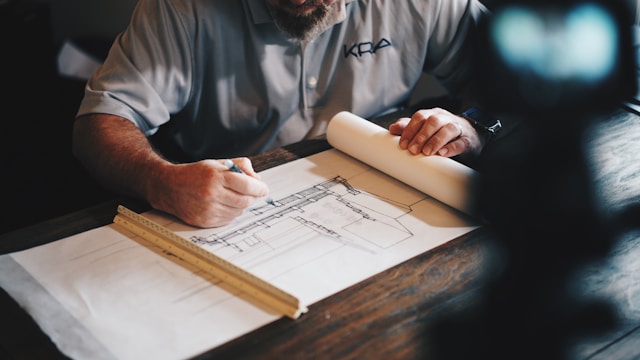
Understanding the Scope of a Home Remodel
Defining the scope of work is one of the most crucial early steps in a renovation. It outlines what will be done, when, and how, including materials and deliverables. This not only helps clarify expectations but also prevents cost and time overruns.
For instance, in a kitchen remodel, your scope should detail which cabinets are being installed, whether appliances are included, and how demolition will be managed. The scope should be broken down into:
- Defined tasks (e.g., remove existing counters, install new lighting)
- Material requirements (with specifics on finishes or brands)
- Timeline and milestones
- Payment structure and responsibilities
With a clearly outlined scope, you minimize ambiguity and create a working document to guide collaboration with contractors throughout your project.
Planning and Prioritizing Renovation Tasks
Once the scope is set, it’s important to assess what matters most. Use a simple system to divide your renovation into “needs” and “wants.” This helps you make informed trade-offs if your budget tightens or timelines shift.
Some helpful planning tips include:
- Clarify your goals: Whether improving functionality, increasing value, or enhancing aesthetics, your goals will influence choices.
- Phase your project: Breaking the work into logical stages helps avoid scope creep and allows for adjustments over time.
- Assess time and cost: Estimate how long each phase will take, and rank your priorities based on available resources.
- Create a checklist: A homeowner renovation checklist can help you track progress and maintain order throughout each step.
Prioritization isn’t just about budget—it’s about understanding which elements impact safety, utility, and long-term satisfaction.
Creating a Realistic Budget and Timeline
A realistic budget is more than a list of numbers—it’s a reflection of what you’re willing to spend, and where you can adapt. Include allowances for:
- Materials and labor
- Permits and inspections
- Temporary living expenses (if needed)
- A 10–20% contingency buffer
Break your budget into categories (e.g., plumbing, cabinetry, electrical), and get at least 2–3 estimates per trade if you’re working with separate contractors.
As for your timeline, begin with an ideal end date and work backward. Build in time for:
- Permits and approvals
- Material delivery
- Demolition and structural work
- Inspections
- Contingencies (bad weather, delays in subcontractor availability)
Many homeowners use spreadsheet trackers or digital project planners to stay organized. Tools like those available at RemodelingAcademy.com can offer templates or frameworks to support this process.
Managing Contractors and Communication
A well-managed relationship with your contractor(s) will often determine the success of your renovation. Communication should be structured, consistent, and written when possible.
Steps to improve coordination include:
- Kickoff meeting: Establish goals, schedules, site rules, and check-in procedures
- Clear expectations: Confirm what’s included in their bid—and what isn’t
- Written records: Keep all changes in writing, and document approvals or disputes
- Progress updates: Hold brief, regular meetings to discuss timeline, budget, and next steps
You don’t need to micromanage, but maintaining an active presence ensures accountability and reduces misunderstandings. Especially on larger projects, trust and transparency go a long way in preventing tension.
Tracking Progress and Adjusting as Needed
Even the best plans encounter change. By tracking progress at every phase, you’ll be prepared to course-correct as issues arise.
Use milestone markers to monitor where the project stands, such as:
- Demolition complete
- Framing and inspections done
- Rough-ins (plumbing/electrical) completed
- Finish work started
- Final punch list ready
Digital dashboards, spreadsheets, or apps can help you track task completion, budget use, and delivery timelines. This also creates a paper trail you can refer to if future issues emerge.
If delays occur, revisit your priorities. Are there overlapping tasks that can proceed? Can any cosmetic work be deferred until a later phase? Flexibility—grounded in a strong plan—is key to adapting without losing momentum.
Conclusion
Renovating a home is part project management, part problem-solving. By defining your project’s scope, prioritizing intelligently, setting a clear budget and timeline, and maintaining strong contractor relationships, you position yourself to manage your remodel efficiently.
Tracking progress and making timely adjustments is just as important as the initial planning phase. With structure, communication, and oversight, you can take a proactive role in your home renovation—ensuring your project aligns with your goals, stays within budget, and leads to a result you’re proud of.
Structuring Your Home Remodel: Key Phases Every Homeowner Should Understand
Meta Description: Aware of the key phases in a home remodel can significantly ease the process; understand the steps from planning to final inspections to ensure a smooth project.