
Green Remodeling: How to Make Your Home More Sustainable With Smart Design Choices
October 20, 2025You’re ready to upgrade your home but want to make responsible, sustainable choices. This doesn’t have to be as daunting as it may seem; green remodeling can actually reduce costs and drastically improve the atmosphere of your living space. Through decisions such as energy-efficient insulation, solar panels, or water-saving fixtures, your home can serve as an ongoing testament to environmental commitment. Pairing this with smart home technology can take it a step further, setting an example for generations to follow. Are you tempted yet? There’s so much more to unearth about green remodeling.
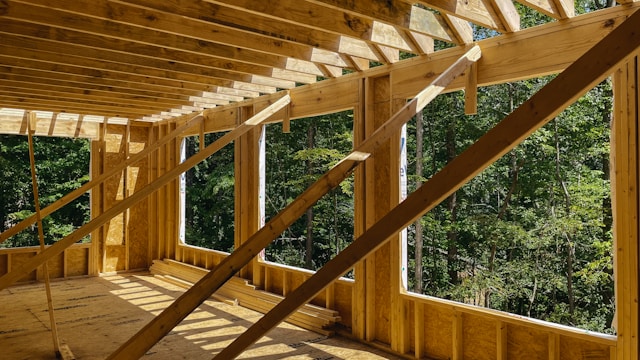
Introduction to Green Remodeling
You might wonder what green remodeling is.
It’s simply the practice of making your home revisions more eco-friendly and sustainable.
Let’s talk about why making such changes are crucial for our planet and future.
Definition of Green Remodeling
Green remodeling, or eco-efficient restoration, refers to the effective upgrading of your existing abode with a focus on sustainable and energy-saving methods.
It’s about making conscious choices to reduce the environmental impact during and after the construction process. From the materials you choose to the builders you hire, every decision should be geared towards maintaining a positive ecological balance.
Green remodeling revolves around a few key principles. The first is reducing the damage that buildings and their construction can inflict on the environment. A major tactic here is the preference for locally-sourced, renewable, recycled or upcycled materials.
Secondly, there’s a marked concern for improving the energy efficiency of your home. Whether it’s through installing energy-efficient appliances, improving insulation, or integrating renewable energy systems like solar panels, it’s all about reducing your carbon footprint.
Lastly, alongside environmental benefits, green remodeling also has health and economical impacts. Its techniques often result in healthier indoor air quality and can save you a bomb on energy costs in the long run.
Consider green remodeling as an investment you’re making; not just for tomorrow, but for many future generations.
Importance of Sustainable Design Choices
Though it might seem daunting at first, making sustainable design choices in remodeling can have substantial, long-lasting benefits. It’s not just about reduced energy consumption and limiting harm to the environment—sustainable home design can directly impact your wellbeing, your pocketbook, and your property value.
Imagine your comfortably warm home in winter that’s also cool in summer, thanks to smart insulation choices. Picture drastically reduced energy and water bills due to energy-efficient appliances and water-efficient fixtures. This is the beauty and power of sustainable home design.
Now, consider the big picture; the value of your home. Homes with eco-friendly features are increasingly sought after in today’s real estate market. Therefore, you’ll raise your home’s resale value by designing it with sustainability in mind.
Remember that sustainable home design isn’t just good for your immediate environment—it’s also beneficial for the planet. You’re actively contributing to reducing greenhouse emissions and promoting a more sustainable future.
Core Principles of Green Remodeling
You’re about to explore the core principles of green remodeling.
We’ll start with energy efficiency, looking at insulation, windows, and smart systems.
We’ll then examine water conservation through fixtures and rainwater systems, before ending on improving indoor air quality with non-toxic materials.
Energy Efficiency: Insulation, Windows, and Smart Systems
When it comes to enhancing a home’s energy efficiency, one of the first steps often involves beefing up insulation and considering window replacements. While it’s not the most glamorous part of a remodel, upgrading insulation can significantly reduce energy consumption.
Opting for higher-rated insulation traps heat in winter and keeps your home cooler in summer. Your pocketbook will thank you for the decrease in heating and cooling costs.
Considering window replacements? Then double-pane windows are your best bet. They’re designed to stop air leakage, maintaining an ideal temperature indoors.
You’ll notice a substantial reduction in external noise, too.
Lastly, integrating smart systems into your home can further boost your energy efficiency. Think programmable thermostats, energy management systems and automated lighting controls.
These smart tools enable you to optimize energy consumption based on your lifestyle, effectively slicing off your utility bills.
Water Conservation: Fixtures and Rainwater Systems
Often, homeowners overlook water conservation during a remodel, but it’s fundamentally essential in green remodeling. By incorporating fixtures and systems that promote the conservation of water, you’re not only saving money but also contributing positively to the environment.
Consider installing low-flow fixtures in your kitchen and bathrooms. Low-flow toilets, showers, and faucets are designed to use significantly less water than traditional models, without compromising performance.
You’d be surprised that you can save up to 60% on your water usage with these fixtures!
On top of that, incorporate a rainwater harvesting system in your plan. This system collects, stores, and uses rainwater for activities like watering plants or flushing toilets, further reducing your demand for municipal water supply.
In some areas, you may even be eligible for incentives with rainwater collection!
Improving Indoor Air Quality with Non-Toxic Materials
Ever thought about the air you breathe in your home? Well, you should. Indoor air quality is a significant aspect of green remodeling. When you opt for non-toxic materials, you’re not just making an eco-friendly decision, but also a health-conscious one.
In the quest for better indoor air quality, start by focusing on your finishes – paint, flooring, and furniture. Traditional products often off-gas harmful chemicals, negatively affecting indoor air quality. Instead, choose non-toxic finishes like low VOC paint, natural fiber rugs, and furniture free from flame retardants.
Awareness is key. Check labels and ensure you’re selecting products promoting healthier indoor air.
In green remodeling, it’s not only about being more energy-efficient or water-wise, but it’s also about creating a healthier living environment. You’ll breathe easier knowing both your home and the air inside it are green.
Good for you, good for the planet. That’s what green remodeling is about. It’s a positive step toward preserving our environment while simultaneously improving your quality of life.
Smart Design Choices for Green Remodeling
As you venture into the world of green remodeling, intelligent design choices can make all the difference.
Consider options like passive design to leverage natural resources for energy efficiency, and the use of energy-efficient appliances and systems.
From integrating renewable energies like solar power to implementing smart home automation, the possibilities are plentiful and transformative.
Passive Design: Utilizing Natural Resources for Energy Efficiency
Nearly every homeowner can take advantage of passive design, a key strategy in green remodeling. This method incorporates sunlight, shade, wind, and land topography into your home’s design to achieve energy efficiency naturally. You’re not just saving on your monthly energy bills; you’re using Mother Nature’s gifts to their fullest!
Imagine your house warming up in winter from the sun’s rays filtering through strategically placed windows or cooling down in the summer without relying heavily on your AC. That’s passive design for you.
It dictates the orientation of your house, the placement of windows, the use of shading, and insulation effectiveness. It can even contribute to the sizing of your home’s thermal mass.
It’s all about harnessing solar energy and prevailing winds to your advantage.
Energy-Efficient Appliances and Systems
Think about the dozens of appliances in your home.
Now, imagine if every one of those appliances used less energy and still performed at its best. That’s the power of energy-efficient appliances.
When you’re ready to make the shift to green living, consider swapping your old appliances with energy-efficient alternatives. From your refrigerator to your lighting system, these modern marvels can drastically cut down on your home’s energy consumption.
They’re designed to do more using less, without trimming down on performance.
Upgrade to energy-saving LED lights that use a fraction of the power of traditional bulbs.
Opt for low-energy refrigerators, dishwashers, and washing machines.
Don’t overlook small appliances too, like coffee makers and microwaves—they can be big energy wasters.
Invest in energy-efficient heating and cooling systems too.
Though they may cost more upfront, they’ll save you money in the long run by limiting energy usage.
Furthermore, these appliances reduce your carbon footprint, helping you do your bit for the environment.
Implementing Smart Home Automation
Dive into the world of smart home automation to take your green remodeling to another level. Smart home automation isn’t just about convenience; it’s a critical aspect of making your home more sustainable. This technology allows you to control your household’s energy consumption, ensuring you’re using only what you need.
Consider a smart thermostat as an example. It learns your schedule and adjusts the temperature when you’re away, leading to considerable energy and cost savings.
It’s not just about heating either; smart lighting can also make a difference. Lights can be scheduled to switch off when you’re not home or dimmed to reduce energy use.
Smart home automation also includes water-saving devices. Smart irrigation systems, for instance, monitor weather conditions to avoid unnecessary watering, conserving valuable water resources.
Don’t think it’s all complicated tech either. Once implemented, smart home automation is user-friendly and can be managed from your smartphone.
It’s a crucial tool for anyone keen on green remodeling.
Renewable Energy Integration: Solar Panels and More
Building on the energy-saving capabilities of smart home automation, you can take your green remodeling a notch higher with renewable energy integration.
Solar panels are often the first thing you’ll think of when it comes to renewable energy, and for good reason! They reduce reliance on fossil fuels by converting sunshine into electricity, meaning you’ll lower your energy bills while helping the environment.
But don’t stop with solar panels. Wind turbines, another renewable energy source, might be an option, depending on your location’s wind patterns and local regulations.
If you have the space and live in an area with plenty of sunshine, consider solar water heaters. They’re another superb way to reduce energy consumption.
If you’re hooked up to the grid, you can store your excess renewable energy to use it later or even sell it back to the power company! Not only does this further lower your utility costs, but it also helps reduce the strain on power plants.
Eco-Friendly Materials for Green Remodeling
Choosing the right materials can make all the difference in your green remodeling project.
Think about using recycled or reclaimed materials and consider low-impact materials like bamboo, cork, and natural stone.
Also, it’s worth exploring low-VOC finishes for healthier indoor air and alternative insulation solutions such as spray foam, cellulose, and wool.
Using Recycled and Reclaimed Materials
Have you ever thought about the hidden potential in used items? When it comes to remodeling your home, using recycled and reclaimed materials can’t only add a unique aesthetic, but it can help reduce your environmental footprint as well.
It’s not just about being eco-friendly, it’s about understanding that you’re part of a bigger picture. Sustainability.
Think of everything you’ve tossed out over the years and imagine half of it being reused in your remodel. Old wood can become new flooring or cabinetry. Shredded paper can turn into insulation. Glass bottles might transform into unique countertop surfaces.
These are all benefits yours for the taking when you opt to use recycled materials in your remodeling efforts.
But don’t limit yourself to just what you can recycle. Look to salvage yards, antique stores or second-hand shops for reclaimed materials. Often, the old has a character that new materials just can’t match.
And the best part? You’re reducing demand for new resources and minimizing waste output. Just by reimagining what you’ve already got, you’re playing a key role in sustainability.
Low-Impact Materials: Bamboo, Cork, and Natural Stone
Keeping the spirit of eco-friendly remodeling alive, consider exploring low-impact materials for your green renovation project. Among your choices, bamboo, cork, and natural stone stand out as compelling favorites. Why? They’re sustainable, durable and, needless to say, stylish.
Start with bamboo. As the world’s fastest-growing plant, it renews rapidly. It’s strong, flexible and can mimic the look of hardwood but without the associated deforestation.
You’re thinking floors, right? You’re on cue! But don’t discount cabinetry, blinds, or cutting boards.
Then, there’s cork. Insulating, hypoallergenic, and resilient, cork is a by-product of the wine industry. You can exploit its benefits in your flooring and wall coverings.
Cork harvesting doesn’t damage the tree, letting it regenerate, so it’s hard not to feel good about this choice.
Lastly, natural stone. With minimal processing, it typifies low-impact materials. Perfect for countertops and walls, you can’t beat its timeless appeal.
Be calculated in your decisions. Each material comes with its own maintenance requirements, and balancing cost, longevity and sustainability isn’t always straightforward.
However, smart choices can create greener homes with far-reaching benefits for both you and the planet.
Low-VOC and Non-Toxic Finishes for Healthier Air
When it’s time to put the finishing touches on your green remodel, don’t forget about the air you breathe. One of the most straightforward ways of ensuring healthier air is by choosing low-VOC finishes for your walls, floors, cabinets, and furniture.
VOCs, or volatile organic compounds, are harmful chemicals emitted by many common household materials. They can harm your health, causing headaches, allergies, and even serious illnesses over time. That’s why it’s vital to go for low-VOC paints and finishes. These paint options emit fewer harmful chemicals, making them a healthier choice for you and your family.
Besides helping you breathe easier, low-VOC paints also contribute to saving the environment. They do less harm to the ozone layer and have a smaller carbon footprint.
Beyond paints, look for other non-toxic finishes like flooring sealants, adhesives, and cleaners.
Make sure to check labels carefully, as some products claim to be low-VOC, but may still contain harmful solvents.
It’s your health, your home, your choice. So, with good research and conscious decisions, you can achieve an eco-friendly remodel that’s safer for you and the planet.
Insulation Solutions: Spray Foam, Cellulose, and Wool
Insulation plays a critical role in any green remodeling project, ensuring your home’s energy efficiency and comfort. Incorporating eco-friendly insulation solutions raises the bar for a sustainable lifestyle.
Spray Foam, for example, seals your home from air and moisture intrusion, saves on costly utility bills, and protects your family’s health from mold, airborne pollutants, and allergens.
Cellulose insulation, often made from recycled newsprint, doesn’t just conserve energy—it even helps with soundproofing.
Wool insulation is another sustainable choice, which naturally resists mold, mildew, and fire. It doesn’t require harmful additives, making it a healthier option for you and the environment.
While these insulation solutions may seem a bit more costly upfront, consider this: you’re not just paying to insulate your home, you’re investing in its energy efficiency, durability, and comfort for years to come.
You’re also contributing to the global efforts in minimizing environmental impacts, which is priceless.
Steps to Start Green Remodeling
Ready to embark on your green remodeling journey?
Start by conducting an energy audit to assess your home’s current performance. From there, you’ll be well-positioned to establish a budget, select sustainable materials, and incorporate renewable energy and smart technology into your design.
Conducting an Energy Audit and Assessing Home Performance
The first step in green remodeling is conducting an energy audit. You’ll need to understand how much energy you’re using – and wasting – before you can make any improvements.
To conduct an energy audit, you can hire a professional auditor or do it yourself with an energy monitor.
If you go with a pro, they’ll use high-tech equipment to find areas where you’re losing energy. They’ll inspect your insulation, check your appliances, and examine your HVAC system.
If you choose to do it yourself, an energy monitor can help you identify appliances that are energy hogs.
After the audit, you’ll get a detailed report on your home’s energy performance. You’ll see where you’re wasting energy and get recommendations on how to fix it.
This could include improving insulation, upgrading to energy-efficient appliances, or replacing your HVAC system.
Establishing a Green Remodeling Budget
How much are you willing to spend on your green remodeling project? It’s crucial to establish a budget before diving headfirst into the process. Your budget will guide your decisions and prevent overspending, ensuring a balance between sustainability and cost.
Contrary to common belief, green remodeling doesn’t have to break the bank. With meticulous preparation, choosing the right green contractors, and smart decision-making, it can be as cost-effective as a traditional remodel.
Start by seeking out green contractors who offer affordable solutions. They’re experienced in this kind of work and can help you make the most of your resources, often suggesting ways to keep costs down without sacrificing your environmental goals.
Selecting Sustainable Materials and Eco-Friendly Options
Following your budget outline, the next step in your green remodeling journey is to choose sustainable materials and eco-friendly options.
It’s not just about being trendy; it’s about making responsible choices for the environment and your pocket in the long run.
There’s a wide range of sustainable materials available. You could opt for reclaimed wood, bamboo, or cork for flooring, that offer durability coupled with a low impact environmentally.
You might also want to consider recycled steel in place of conventional steel for the structural framework of your home, not only is it strong but it also helps reduce waste.
For insulation, options like plant-based polyurethane rigid foam, farmed and sustainably harvested wood, and recycled-content drywall can make a significant difference.
But choosing sustainable materials doesn’t end with major structural elements.
Consider low-VOC paints, energy-efficient appliances, and furnishings made from recycled or renewable sources.
Incorporating Renewable Energy and Smart Technology
With your materials chosen, shifting your focus to innovative energy solutions and smart technologies can take your green remodeling project to the next level. Incorporating renewable energy systems not only reduces your home’s carbon footprint, but can also result in significant cost savings over time.
Solar panels, for example, harness the power of the sun and are a popular, worthwhile investment. Consequently, think about which renewable energy systems will work best for your home.
You’ll need to consider factors like the amount of sunlight you get, its intensity, and your local climate. It’s also a good idea to consult with a professional who can provide tailored advice based on your property’s unique features.
Beyond energy, incorporating smart technology can maximize your home’s efficiency. Think lights that turn off automatically when you leave a room, or a thermostat that adjusts based on your habits.
These gadgets can seem minor, but they can make a big difference in your energy use and overall environmental impact.
Conclusion
So, you’re ready to take the green leap. Great! By opting for smart design choices, eco-friendly materials, and energy-efficient installations in your home overhaul, you’re not just improving your living experience. Your actions will have a lasting positive impact on the environment too. Remember, it’s not just about preserving our resources – it’s also passing on a healthier, sustainable planet to future generations. Let’s start green remodeling today.