
Power & Pipes: The Remodeling Contractor’s Quick-Start Guide to Electrical and Plumbing Systems
November 3, 2025As you begin traversing the complexities of electrical and plumbing systems, it is essential to understand the fundamental components that form the backbone of every renovation project. Your role involves coordinating with licensed electricians while ensuring plumbing code compliance throughout the renovation process.
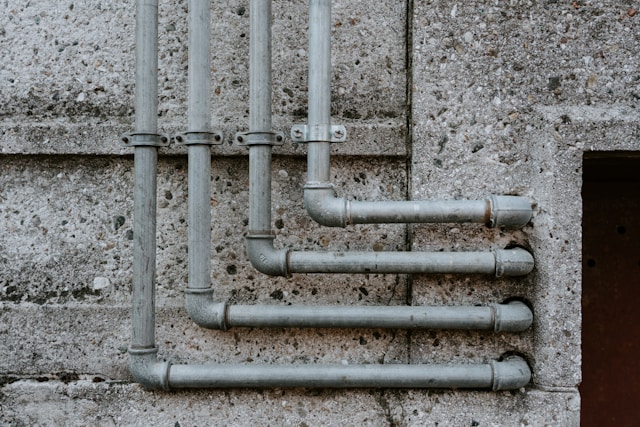
Start by familiarizing yourself with electrical panels, which serve as the central hub for power distribution. You’ll need to assess their capacity, condition, and potential upgrade requirements before proceeding with any modifications. Similarly, understanding basic plumbing infrastructure – including supply lines, drainage systems, and venting requirements – will help you anticipate potential challenges and communicate effectively with specialists. While you won’t be performing these installations yourself, your knowledge of system fundamentals will enable better project planning, accurate scheduling, and smoother collaboration with licensed professional remodeling contractors.
1. Introduction: Why Remodelers Need MEP Knowledge
While understanding system basics lays the groundwork, mastering MEP knowledge brings distinct advantages to your remodeling business. As a remodeling contractor, you’ll frequently encounter complex electrical systems and plumbing systems that impact project timelines, budgets, and outcomes. Your ability to identify potential challenges, communicate effectively with licensed specialists, and make informed decisions directly affects project success.
Understanding MEP fundamentals enables you to create more accurate project estimates, anticipate necessary modifications, and coordinate work sequences efficiently. You’ll be better equipped to interpret building codes, recognize safety concerns, and develop practical solutions before problems escalate. This knowledge also strengthens your credibility with clients and subcontractors, positioning you as a more thorough professional who can effectively oversee all aspects of renovation projects while maintaining compliance and quality standards.
2. Electrical Systems: What Every Remodeler Must Know
For remodeling contractors, electrical systems represent a critical knowledge area that directly impacts project safety and success. While you’ll need licensed electricians for most installations, understanding core electrical concepts helps you plan effectively and communicate with specialists.
You must recognize basic system components, including circuit breakers and their amperage ratings. Load calculation skills are essential when planning renovations that add electrical demands to existing systems. Modern code requirements mandate GFCI outlets in specific locations like kitchens, bathrooms, and outdoor areas. These safety devices protect against ground faults and electrical shocks.
Your role includes identifying potential electrical issues early, ensuring adequate power distribution for new fixtures and appliances, and maintaining compliance with local building codes. This knowledge helps prevent costly rework and supports smoother project execution.
3. Plumbing Systems: The Remodeler’s Essentials
Similar to electrical work, plumbing systems demand careful planning and coordination with licensed professionals. As a remodeler, you’ll need to understand the fundamentals of modern plumbing infrastructure, including supply lines and DWV system components. While copper plumbing remains common in many homes, PEX piping offers a versatile alternative that’s gaining popularity in renovation projects.
You’ll encounter three primary plumbing subsystems during remodels: the water supply system (delivering clean water), the DWV system (managing waste and venting), and fixture connections. When planning modifications, you must consider pipe sizing, pressure requirements, and venting configurations. Understanding these basics helps you anticipate potential challenges, communicate effectively with plumbers, and avoid costly mistakes that could compromise the project’s timeline or building code compliance.
4. Tools, Tech & Estimating Software for Smarter Planning
Modern remodeling contractors have three essential digital tools at their disposal: CAD software for precise system layouts, estimating programs for accurate material calculations, and project management platforms for coordinating with MEP specialists.
When planning electrical work, you’ll need tools that help visualize romex wiring paths and calculate load requirements. Buildertrend software integrates these functions while tracking material costs and subcontractor schedules. For plumbing projects, digital moisture meters help identify potential issues before demolition begins, preventing costly surprises during renovation.
Your estimating software should handle both rough-in and finish calculations, accounting for fixtures, pipe lengths, and electrical components. Look for programs that automatically update with current material prices and local code requirements, ensuring your bids remain competitive and compliant while maintaining profit margins.
5. Collaboration and Compliance: The Remodeler’s Role
Successful remodeling contractors regularly serve as the essential liaison between homeowners, MEP specialists, and building inspectors. Your role requires understanding fundamental concepts like conduit wiring requirements and backflow prevention standards to effectively coordinate with licensed professionals and guarantee code compliance.
You’ll need to verify that electrical installations meet National Electrical Code specifications while maintaining clear communication channels between electricians and other trades. When managing plumbing modifications, you’re responsible for confirming that licensed plumbers properly implement backflow prevention devices and maintain required clearances.
Documentation is vital – keep detailed records of permits, inspections, and system modifications. Maintain updated contact information for your network of licensed MEP professionals, and stay informed about local code amendments that might affect your projects’ compliance requirements.
6. Final Thoughts: Power, Pipes & Profitable Projects
Managing electrical and plumbing systems effectively can make or break your remodeling projects. While you don’t need to become a licensed electrician or plumber, understanding these systems’ fundamentals helps you plan better, coordinate more efficiently, and deliver superior results. From water heater installation to positioning plumbing fixtures, your knowledge directly impacts project timelines and profitability.
Consider investing in your MEP expertise through programs like the remodeling academy, where you’ll gain structured training alongside industry peers. Remember that your role isn’t to perform specialized trade work but to serve as an informed project manager who can anticipate challenges, communicate effectively with licensed professionals, and maintain code compliance. This approach will help you minimize delays, control costs, and build a reputation for delivering well-executed renovations that satisfy both regulations and client expectations.